What is lower back pain?
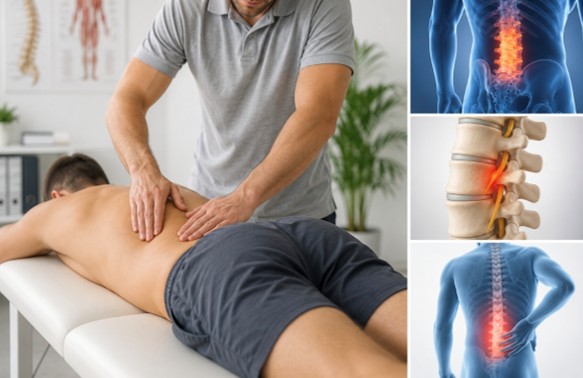
Lower back pain is one of the most common reasons people come in for physical therapy. It presents as pain in the lower part of the spine, the lumbar and sacral region. It can occur after lifting a load, prolonged sitting, sports activities, or simply as a result of everyday strain. For some people the pain lasts only a few days, while for others it returns from time to time and makes everyday activities more difficult. Although the pain sometimes settles on its own, if it lasts longer or recurs often, it is advisable to seek a professional assessment in order to find the cause and choose an appropriate course of treatment.
Why does lower back pain occur?
The causes can vary. Most often it is due to overstrain of the muscles and ligaments, poor posture, or prolonged sitting. Pain can also occur due to degenerative changes in the spine, disc problems, or following an injury. For this reason, it is important that the physiotherapist first carries out an assessment to determine what is causing the problem. Only after that is a treatment plan tailored to the individual drawn up.
When is it time for physical therapy?
If lower back pain lasts longer than a few days, keeps coming back, or limits you in everyday activities, it is advisable to see a physiotherapist. Timely assessment and appropriate therapy can help relieve the problem and reduce the chance of the pain becoming a long-term issue.
What does treatment of lower back pain with physical therapy look like?
Physical therapy usually involves a combination of different methods, depending on the cause of the pain and the patient's condition. In addition to individually tailored exercises, modern devices are often used that can help reduce pain and support recovery. One such method is TECAR therapy, which works at depth and is used to reduce pain, relax tense muscles, and promote tissue healing. In certain conditions, HILT laser – high-intensity laser therapy – may also be applied, with the aim of relieving pain and reducing inflammatory processes. Depending on the physiotherapist's assessment, therapeutic ultrasound may also be included in treatment, used for various musculoskeletal complaints, as can InterX neurostimulation, which in some patients can help with pain control and improved function. It is important to stress that devices alone are not enough. The best results are usually achieved when therapeutic devices are combined with targeted exercises, education, and a gradual return to everyday activities.
Can lower back pain be prevented?
Although it is not possible to prevent every form of back pain, certain habits can significantly reduce the risk of it occurring. Regular physical activity, strengthening the core muscles, lifting loads correctly, and avoiding prolonged sitting can all help maintain a healthy spine.
If you work an office job, it is useful to get up occasionally, take a short walk, and change position. Small changes throughout the day can often make a big difference.
For more information or to schedule an appointment, please get in touch via the contact form.
Book Appointment